Saffron milk, commonly called kesar milk, is a simple traditional beverage enjoyed for its rich aroma, warm flavor, and attractive golden color. It requires only a few basic ingredients, making it an easy preparation for both everyday use and special occasions. The key ingredient is saffron, which is highly aromatic and therefore usually used in small quantities. When prepared correctly, saffron milk has a delicate flavor rather than an overpowering taste. The preparation begins with good-quality saffron threads. A few strands can be soaked in warm milk or a small amount of warm liquid before being incorporated into the main preparation. Soaking allows the saffron to gradually release its characteristic color and aroma. The process is simple, but rushing it may not provide the best result. Some people lightly crush the strands before soaking, while others leave them whole. Either approach can work depending on personal preference and recipe style. Saffron milk can be served warm or chilled and can be customized with ingredients such as cardamom, almonds, pistachios, or a small amount of sweetener. However, the simplest version is often the best way to appreciate the natural character of the saffron. The amount of saffron should be adjusted according to the quantity of milk and the desired intensity.
The most important step in making flavorful saffron milk is allowing the saffron to infuse properly. Begin by taking a few saffron strands and placing them in a small amount of warm milk. The milk should be warm rather than excessively hot. Let the strands soak for approximately 10 to 15 minutes. During this period, the saffron gradually releases its characteristic golden color and aroma. Once the infusion has developed, add it to the remaining warm milk and mix gently. If desired, the strands themselves can also be added to the final drink. Using the saffron directly without allowing sufficient time for infusion may produce less even flavor distribution. A small quantity is generally enough because saffron is concentrated and expensive. For a basic serving, several strands can provide aroma and color, but the exact quantity depends on the strength of the saffron and individual preference. You can experiment with a small amount initially and adjust future preparations. Avoid adding excessive saffron simply because you want a darker color. The objective is to achieve a balanced flavor and aroma. Saffron milk can also be prepared as part of desserts and other recipes. The same soaking technique can be used before adding saffron to kheer, custards, rice dishes, or festive sweets. Proper infusion helps distribute the saffron more evenly throughout the recipe.
Once the basic saffron milk is prepared, you can customize it according to your taste. Cardamom is a popular combination because its aromatic profile complements saffron beautifully. Crushed almonds and pistachios can add texture and richness. A small amount of honey or another preferred sweetener can be added after the milk has reached a suitable temperature. Some people prefer serving saffron milk chilled, particularly during warmer months, while others enjoy it warm. For festive occasions, saffron milk can be decorated with chopped nuts and a few visible saffron strands. If you are preparing the drink for several people, increase the ingredients proportionally rather than adding a large amount of saffron at once. Saffron should remain a subtle highlight of the drink. Storage also matters if you have opened a saffron pack. Keep unused saffron tightly sealed and away from moisture, direct sunlight, excessive heat, and strong odors. Proper storage helps preserve its characteristic fragrance for future preparations. For everyday use, smaller packs can be convenient because they allow you to use the product gradually while maintaining freshness. PremSaffron offers multiple quantities, making it easier for consumers to select according to household requirements.
Making saffron milk at home is easy when you understand the importance of proper infusion and balanced quantities. Soaking saffron in warm milk allows its natural aroma and color to develop gradually, creating a flavorful traditional beverage. You can keep the recipe simple or enhance it with cardamom and nuts for special occasions. The most important consideration is using a suitable quantity of good-quality saffron and storing the remaining threads correctly. With a few simple steps, homemade kesar milk can become a delicious addition to your traditional recipe collection.





Saffron and kesar are two commonly used names for the same premium spice. Learn about its...
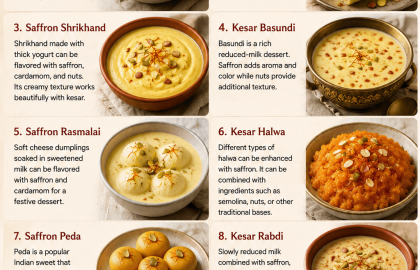
Saffron is a favorite ingredient in Indian desserts because its aroma and golden color pair beautifully...
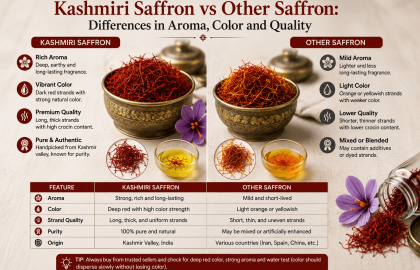
Saffron is produced in different regions and can vary in appearance, aroma, flavor, and quality. Learn...